
Buying Used Power Tools: What to Check Before You Buy
20 November 2026
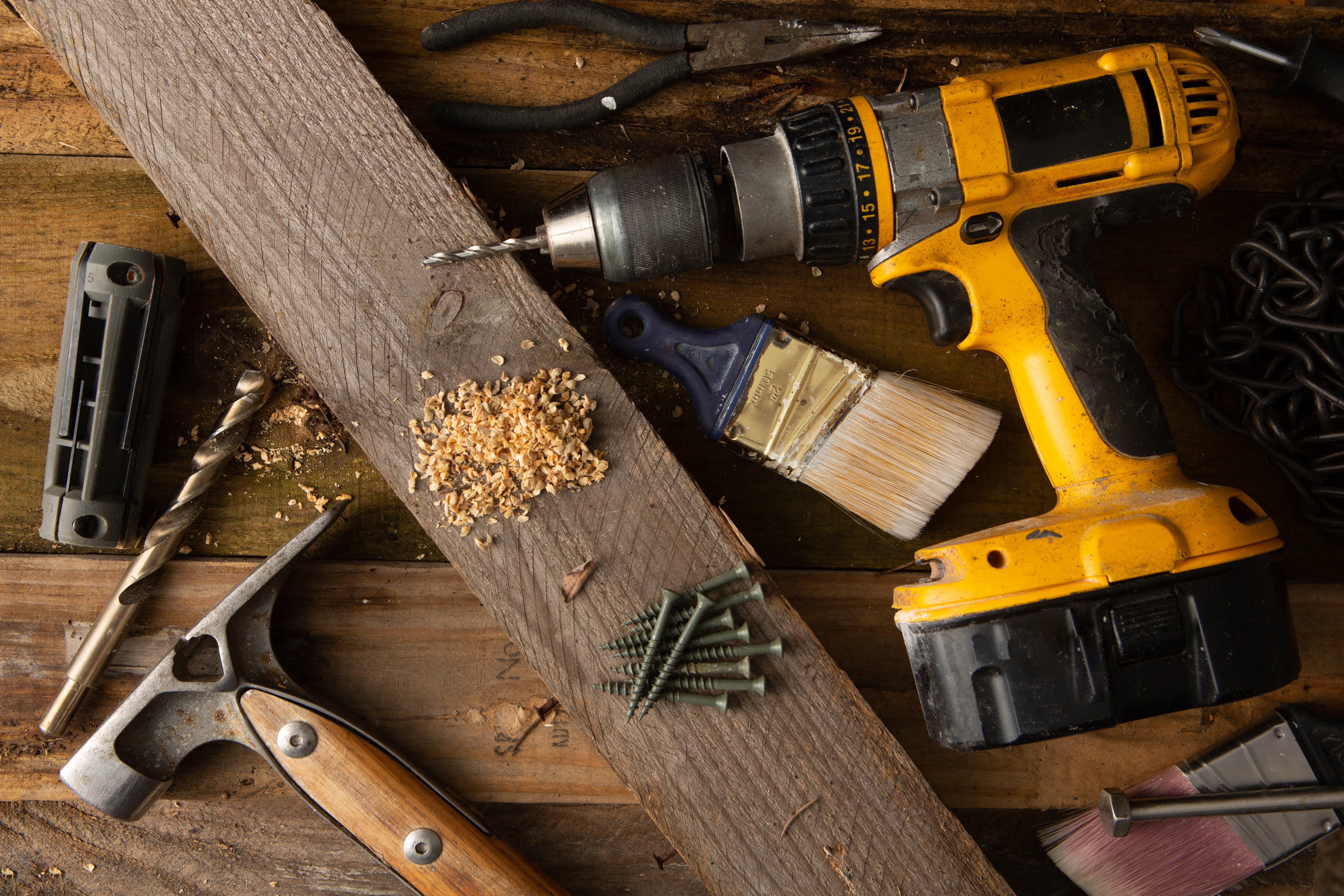
Used and surplus power tools can save a lot of money, as long as you know what to look for. What to check on the tool, the battery and the accessories before you buy.
Power tools are expensive new, and a good one lasts for many years. That makes them a natural fit for buying used or surplus. A tool that has been looked after, or never used at all, can do exactly the same job as a new one for a good deal less. The trick is knowing what to check, because a worn tool and a nearly new one can look similar in a photo.
Corded or cordless?
Corded tools have no battery to wear out, and they tend to be cheaper to buy used. They are a good choice for a workshop, or any job where a socket is nearby. A corded tool is usually simple to assess, because the main wear items are the cable, the switch, the brushes and the motor.
Cordless tools are convenient, but the battery is the part to think about. Batteries wear out and cost a lot to replace, so a bare tool without one can be a very good price, if you already own batteries from the same range.
Battery systems
Most cordless makers use their own battery system, and batteries from one range do not fit another. Before buying a bare tool, check it uses the same battery platform as the batteries you already own, including the voltage. Within one brand there are sometimes older and newer battery designs that look similar and do not fit together.
If a battery is included, ask:
- How old is it? Most batteries lose capacity gradually, even when unused.
- Does it hold a charge? A description that says it has been tested and holds charge is better than silence.
- Is the charger included? Chargers are brand and battery specific.
What to check on the tool itself
Look at the photographs carefully, and ask for more if you need them.
- The casing. Scuffs are normal. Cracks, melted plastic or missing pieces can point to a drop or overheating.
- The chuck or fitting. On drills, the chuck should grip firmly and run straight. On saws and grinders, check the guard and the blade or disc fitting.
- The switch and trigger. They should move smoothly, with variable-speed triggers responding gradually.
- Vents. Clogged vents mean the tool has worked hard in dusty conditions.
- The cable and plug, for corded tools. Look for cuts, kinks, taped repairs or a damaged plug.
- Smell and sound. If you can see the tool in person, a burning smell or a rough, grinding sound are bad signs.
Surplus versus used
The two are not the same. Surplus tools are new stock that someone no longer needs, perhaps from a trade supplier or a business that over-ordered. They have not been worked. Used tools have been, and the condition varies from barely touched to hard worn. A clear description will say which it is, and whether the tool has been tested.
Terms like "untested", "spares or repair" or "for parts" mean you carry the risk. They can be good value if you are a competent fixer, and a poor choice if you need a tool that works tomorrow.
Accessories and bits
Check what is in the box. A drill with its original case, side handle, depth stop and charger is more useful than a bare body. For saws, sanders and grinders, consider the cost of discs, blades and bags, which wear out and need replacing. Make sure that whatever you are buying is the right size for your tool.
Questions worth asking the seller
A good listing answers most of these, but if it does not, ask before you buy. Sellers who know their stock will answer plainly.
- Has it been tested, and what happened when it was? "Works" on its own is less useful than a description of what was checked.
- Is it original, and does it have all its parts? Missing guards, handles and keys are common.
- Why is it being sold? A business clearing a store or finishing a contract is a very different story from a tool that failed.
- What is the cable length, voltage or battery size? These decide whether the tool suits your job and your supply.
- Are there any marks on the casing, and can I see them? Clear photos of the underside and the data label are useful.
The data label on the tool lists the model number, voltage and power rating. Searching for the model number on the maker's website will usually bring up the manual and the list of compatible accessories and spare parts.
Safety first
Used electrical tools need a sensible check before use. Do not use a tool with a damaged cable, a cracked casing, a missing guard or a plug that has been repaired badly. If you are not sure, have it looked at by someone competent. Wear the right eye, ear and hand protection, and read the instructions, or look up a copy from the manufacturer if the tool does not come with them.
Your rights when buying
Buying from a UK business, goods must be as described, of satisfactory quality and fit for purpose under the Consumer Rights Act 2015. For online purchases you also normally have 14 days from delivery to change your mind. Test a tool soon after it arrives rather than leaving it in the box.
Where to look
Have a look at home, furniture and DIY and business, office and industrial for tools and workshop equipment, and the whole shop for everything else. If you have tools of your own to sell, see sell to us, or ask us about anything you are unsure of.